

Navigating the world of parenting after separation can feel like trying to solve a Rubik’s Cube blindfolded. With terms like parallel parenting and co-parenting thrown around, it’s easy to get lost in the jargon. But fear not! Understanding these two approaches can turn that confusing puzzle into a clear picture of how to raise happy, healthy kids despite the challenges.
In the battle of parenting styles, co-parenting often gets the spotlight, while parallel parenting quietly takes the backseat. But both have their merits. Whether you’re looking to harmonize schedules or keep things strictly business, knowing the differences can help parents make informed choices that suit their unique situations. So grab your favorite cup of coffee and let’s dive into the great parenting debate that could change the game for you and your kids.
Overview of Parenting Styles
Parenting styles shape family dynamics, especially after separation. Co-parenting involves both parents actively participating in the child’s life, making joint decisions, and maintaining open communication. This approach encourages a unified front, promoting stability and consistency for the child. Regular interaction benefits the child’s emotional well-being and helps maintain a sense of security.
Conversely, parallel parenting allows each parent to operate independently without direct interaction. Each parent establishes their own rules and routines, focusing on their child’s needs within their home environment. This method often suits situations where conflict exists, minimizing contact between parents and reducing stress for everyone involved.
Research indicates that while co-parenting strengthens the parent-child bond, parallel parenting can effectively limit disputes and tensions. Parents often choose between these styles based on individual circumstances. In environments where high conflict exists, parallel parenting may prove beneficial, allowing for peaceful coexistence.
Different approaches lead to varied outcomes for children. Co-parenting typically fosters strong relationships with both parents, aiding emotional development. Alternatively, parallel parenting may encourage adaptability, teaching children how to navigate differing environments. Each style serves a unique purpose, catering to specific family dynamics while emphasizing the child’s best interests.
Understanding these styles helps parents make informed choices. Both co-parenting and parallel parenting hold advantages. Clarity about each style can enhance decision-making processes in complex family dynamics.
Understanding Parallel Parenting
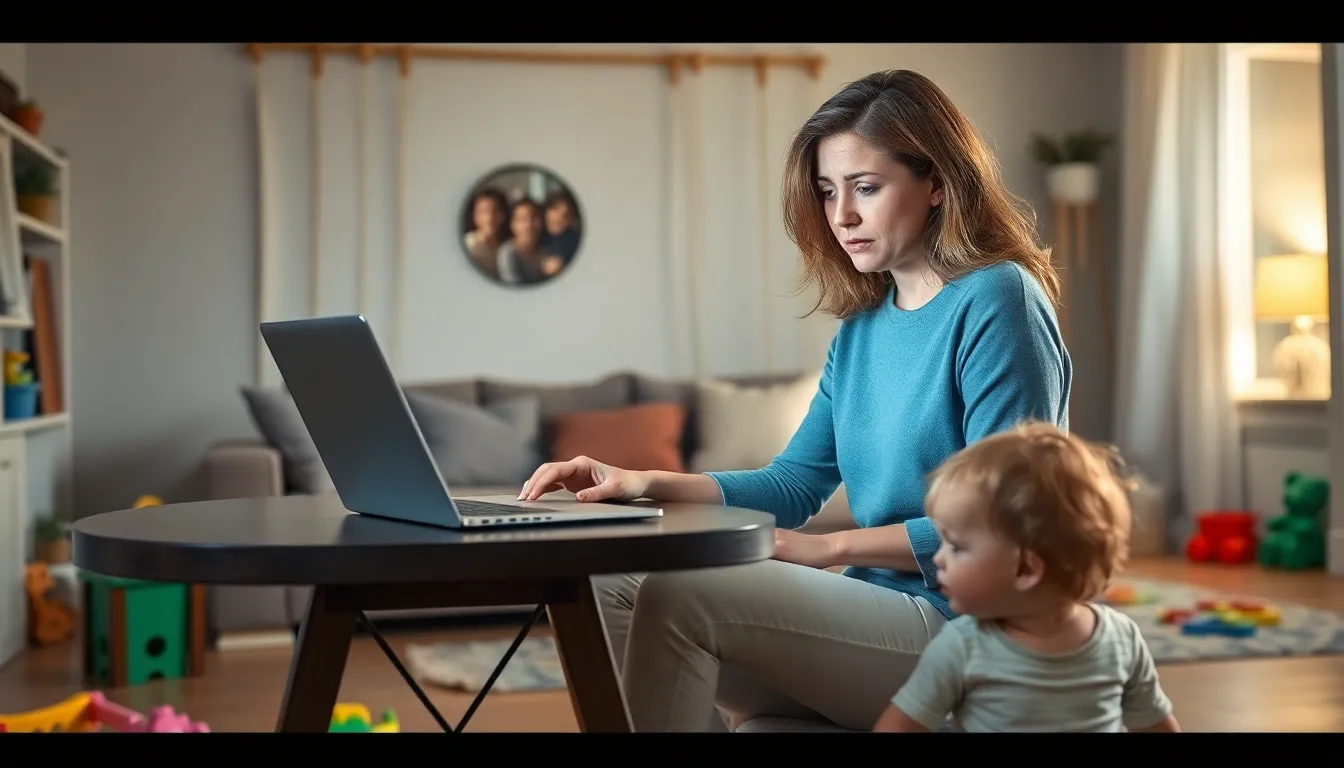
Parallel parenting emphasizes minimal interaction between separated parents while ensuring children receive support from both parents. This approach often suits high-conflict situations, reducing stress and promoting individual parenting styles.
Definition and Characteristics
Parallel parenting allows parents to maintain separate routines and establish distinct rules. Each parent often focuses on their household, providing children with a sense of stability in two environments. Structured schedules may differ between homes, fostering independence. Communication typically occurs through limited channels, such as written notes or co-parenting apps, maintaining focus on the child’s needs without direct contact. Conflicts usually reduce as parents minimize interactions, creating a calmer atmosphere.
Benefits and Challenges
Parallel parenting offers several benefits, particularly in high-conflict scenarios. This style reduces opportunities for disputes, allowing parents to focus on their children without the pressure of direct communication. Children benefit by adapting to varying rules, enhancing their flexibility in diverse settings. Challenges exist, including potential feelings of isolation for both parents and children. Striking a balance between individual parenting and shared responsibilities may prove difficult. Additionally, limited interaction can hinder the establishment of a cohesive parenting approach that benefits the child’s emotional development.
Understanding Co Parenting
Co-parenting involves both parents actively participating in their child’s life after separation. They make decisions together, maintain communication, and share parenting responsibilities.
Definition and Characteristics
Co-parenting centers on collaboration between parents to raise their children. This approach requires both parents to work as a team, developing a unified strategy for education, discipline, and overall upbringing. Respectful communication underlines co-parenting, allowing parents to address issues as they arise. Each parent retains a role in the child’s daily activities, fostering emotional support. The aim focuses on ensuring a stable environment for children, emphasizing the importance of consistency in routine and rules across both households.
Benefits and Challenges
Co-parenting offers significant benefits, such as providing children with two involved parents and promoting emotional security. Having a joint decision-making process fosters teamwork, which can reduce anxiety for the child. Challenges include navigating differences in parenting styles and managing conflicts that may arise. Maintaining effective communication remains crucial, as misunderstandings can lead to complications. It’s important for parents to prioritize their children’s needs above personal differences, as focusing on the child’s wellbeing strengthens family bonds during transitions.
Key Differences Between Parallel Parenting and Co Parenting
Co-parenting involves both parents actively engaging in their child’s life. In this scenario, parents make joint decisions about education and discipline. Open communication creates a stable environment, ensuring consistency in routines across both households. Enhanced emotional security for children leads to reduced anxiety through teamwork.
Parallel parenting, on the other hand, operates independently. Each parent sets their own rules and routines, which can be particularly effective in high-conflict situations. This approach minimizes direct interaction, allowing for less stress. Communication typically occurs through notes or co-parenting apps, focusing solely on the child’s needs without direct contact.
Emotional well-being varies significantly between the two styles. Co-parenting fosters a united front that can benefit a child’s emotional development. Parallel parenting may lead to feelings of isolation for both parents and children due to limited interaction.
Flexibility is a key benefit of parallel parenting. Children often adapt to different environments thanks to distinct routines set by each parent. Co-parenting, however, relies on teamwork, which requires consistent strategies for discipline and support.
Each style presents unique challenges. Co-parenting can result in conflicts stemming from differing parenting styles. Parallel parenting might hinder cohesive approaches, making collaboration difficult. Understanding these differences assists parents in choosing an approach that fits their family dynamics. Prioritizing the child’s best interests remains central to both methods.
When to Choose Parallel Parenting vs Co Parenting
Selecting between parallel parenting and co-parenting relies on individual family circumstances and dynamics. Parents in high-conflict situations benefit from parallel parenting, which reduces direct interaction and stress. Choosing this approach often results in fewer conflicts, as each parent maintains their own rules. Flexibility is another advantage, allowing children to adapt to distinct routines without confusion.
On the other hand, co-parenting suits parents who can communicate effectively and collaborate on decisions. A united front fosters emotional security and stability for children, as they experience consistency across both households. Parents prepared to work together can address various issues, from schooling to discipline, ensuring a cohesive strategy.
Assessing personal conflict levels serves as a good starting point. Those facing ongoing disagreements may find parallel parenting healthier for all involved. Children thrive in environments where parental interactions minimize tension. In contrast, parents with amicable relations should consider co-parenting to enhance their child’s emotional development.
Timing plays a crucial role, too. After a separation, parents may require a cooling-off period before transitioning into a co-parenting arrangement. Meanwhile, parallel parenting could serve as a temporary solution until parents can work together effectively.
Ultimately, weighing these factors allows parents to choose a method that prioritizes their child’s best interests. A thorough understanding of specific family needs leads to informed decisions, fostering healthier environments for children in both parallel and co-parenting dynamics.
Choosing between parallel parenting and co-parenting hinges on individual family circumstances and dynamics. Both approaches offer distinct benefits that can support a child’s well-being. Co-parenting encourages collaboration and open communication, fostering emotional security and stability. On the other hand, parallel parenting provides flexibility and independence, particularly in high-conflict situations.
Ultimately, understanding the unique needs of each family is crucial in making the right choice. By prioritizing the child’s best interests and assessing personal conflict levels, parents can create a nurturing environment that promotes healthy development, regardless of the parenting style they choose.

