

In a world filled with mass-produced fashion, handmade kids clothing stands out as a delightful alternative. Parents are increasingly drawn to unique, artisanal pieces that not only reflect their child’s personality but also support sustainable practices. Each garment tells a story, crafted with care and attention to detail, making them special keepsakes for little ones.
Handmade clothing offers versatility, ensuring kids are dressed comfortably for any occasion. From playful prints to cozy fabrics, these creations allow children to express themselves while providing parents with peace of mind. As the demand for personalized and eco-friendly options grows, the charm of handmade kids clothing continues to captivate families everywhere.
Overview of Handmade Kids Clothing
Handmade kids clothing offers a distinctive and eco-conscious alternative to mass-produced garments. Artisans create each piece with attention to detail, ensuring quality and uniqueness. Parents increasingly prefer these one-of-a-kind items, which allow for personalization and reflect their child’s individuality.
Sustainability plays a crucial role in the appeal of handmade clothing. Many artisans utilize organic or recycled materials, reducing environmental impact. Sustainable practices resonate with families who prioritize ethical consumption.
Comfort remains a priority in handmade designs. Artisans often focus on utilizing soft, breathable fabrics that promote ease of movement. Additionally, the varied styles and sizes accommodate children’s growth and changing preferences.
Handmade clothing is suitable for numerous occasions. From everyday wear to special events, these pieces provide versatile options for parents. The charm and character of each garment often make them cherished keepsakes, further enhancing their value in a child’s wardrobe.
The ongoing trend towards personalized fashion showcases how handmade kids clothing continues to flourish in the market. As families seek distinctive and sustainable choices, the appeal of these garments remains strong.
Benefits of Handmade Kids Clothing
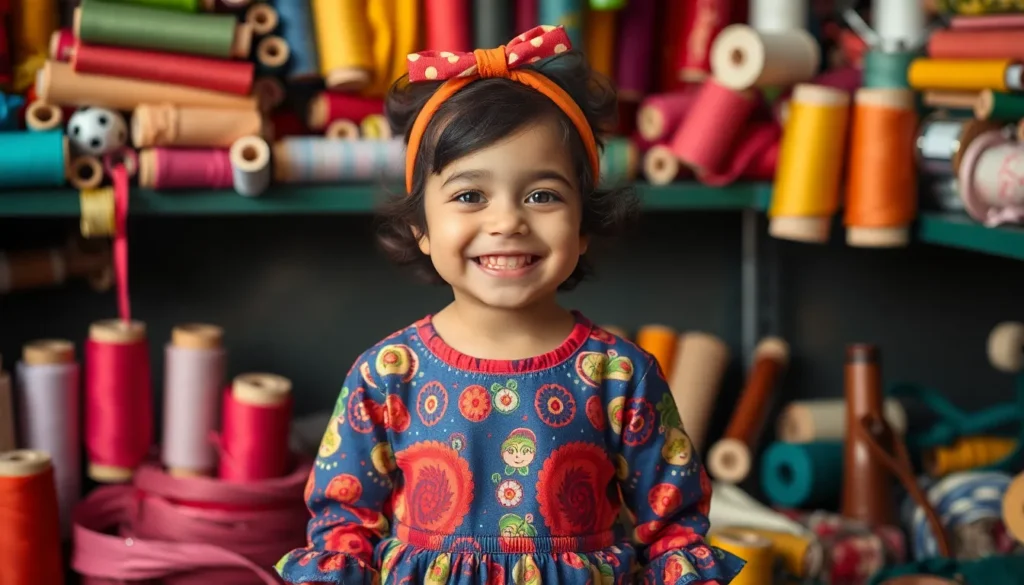
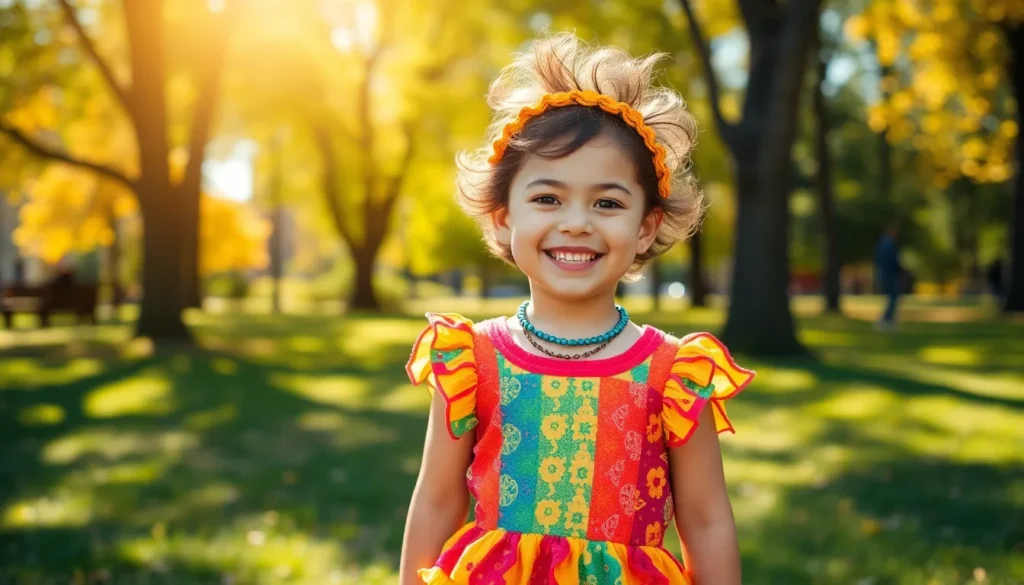
Handmade kids clothing offers several advantages, making it an attractive choice for families. Unique designs and safe materials significantly enhance the appeal of these garments.
Unique Designs and Styles
Unique designs and styles distinguish handmade kids clothing from mass-produced items. Each piece showcases individual artistry, reflecting diverse cultures, themes, and preferences. Artisans often create limited collections, ensuring that each garment has its own character. Parents appreciate the opportunity to choose outfits that resonate with their child’s personality or interests. Customization options, such as alterations or personalized embellishments, further enhance the allure, allowing for even greater expression of individuality.
Safe and Non-Toxic Materials
Safe and non-toxic materials serve as a critical feature of handmade kids clothing. Many artisans prioritize using organic cotton, bamboo, linen, and other sustainable fabrics, significantly reducing the exposure of harmful chemicals to children. Certified materials, free from toxic dyes and finishes, ensure that the clothing remains safe for sensitive skin. Parents value the peace of mind that comes with knowing their children’s clothing is both eco-friendly and safe for wear.
Popular Fabrics for Handmade Kids Clothing
Various fabrics are popular choices for handmade kids clothing. These materials ensure comfort, functionality, and safety, appealing to parents who prioritize quality.
Organic Cotton
Organic cotton ranks high for its softness and breathability. It’s cultivated without synthetic pesticides or fertilizers, making it safe for sensitive skin. Organic cotton garments also offer durability, enabling them to withstand active play. Many artisans utilize this fabric to create vibrant, unique patterns that reflect children’s personalities.
Linen and Bamboo
Linen and bamboo serve as excellent alternatives for warm weather. Linen is lightweight and has natural moisture-wicking properties, allowing for breathability during hot days. Bamboo fabric ensures softness and is hypoallergenic, reducing irritation on delicate skin. Both fabrics are eco-friendly—linen often comes from sustainable flax plants, while bamboo grows rapidly and requires minimal water. These attributes make them ideal choices for handmade kids clothing.
Tips for Choosing Handmade Kids Clothing
Selecting the right handmade kids clothing involves several key considerations to ensure quality, comfort, and longevity.
Sizing and Fit Considerations
Sizing in handmade clothing can vary significantly between artisans. Always check size charts provided by makers, as measurements may differ from standard sizes. Measure the child’s height, weight, and chest circumference to find the most accurate fit. Look for adjustable features, such as elastic waistbands or ties, that accommodate growth. Consider styles that offer a loose fit for better mobility and comfort. Prioritize garments that allow room for layering, especially in transitional seasons.
Care and Maintenance
Proper care extends the life of handmade clothing. Follow specific washing instructions provided by the artisan. Use mild detergents to preserve fabric integrity and prevent discoloration. Opt for cold water washes to avoid shrinking and fading. Air drying is preferable for delicate fabrics; however, check for needs based on the specific material. Regularly inspect seams and embellishments to maintain quality. Store clothing in a cool, dry place to prevent damage from moisture or pests.
Supporting Small Businesses
Supporting small businesses in the handmade kids clothing industry positively impacts local economies and communities. Purchasing from artisans and small brands helps sustain livelihoods and fosters creativity and innovation. Each purchase contributes to the growth of unique brands and provides artisans with the resources to continue creating distinctive pieces.
Many small businesses prioritize ethical practices, often sourcing materials locally and maintaining environmentally friendly production processes. This commitment resonates with consumers interested in sustainable fashion, encouraging families to invest in high-quality garments that align with their values.
Small businesses also offer personalized customer experiences. Artisans frequently engage directly with customers, allowing for customization and tailored options that mass-produced brands often overlook. This level of service cultivates customer loyalty and encourages repeat business, strengthening community ties.
Additionally, supporting these businesses often leads to greater diversity in the market. Small brands introduce innovative designs and cater to niche markets, ensuring a wide range of choices for parents seeking unique clothing for their children. This diversity promotes a healthier retail environment and empowers families to make conscious purchasing decisions.
Choosing handmade kids clothing not only provides families with exceptional products but also nurtures small businesses committed to sustainability, ethical practices, and community enrichment.

