

Navigating the wild world of co-parenting can feel like trying to assemble IKEA furniture without the instructions—frustrating and often confusing. But don’t worry, co-parenting counseling is here to save the day! It’s like having a GPS for those tricky parenting turns, guiding both parents toward smoother roads for their kids.
Finding co-parenting counseling near you can provide the support and tools needed to tackle those disagreements and communication breakdowns. With a little help, parents can transform their relationship from a chaotic tug-of-war into a harmonious partnership. So why not take that first step? After all, happy co-parents lead to happy kids, and who wouldn’t want that?
Understanding Co-Parenting Counseling
Co-parenting counseling offers essential support for parents navigating joint custody. It equips them with tools to enhance communication and foster collaboration.
What Is Co-Parenting Counseling?
Co-parenting counseling involves professional guidance to help separated or divorced parents work together effectively. Trained counselors facilitate discussions that focus on children’s needs while addressing parental conflicts. Through structured sessions, parents learn strategies to manage disagreements and create a positive environment.
Benefits of Co-Parenting Counseling
Co-parenting counseling provides numerous advantages for families. Improved communication leads to a better understanding of each parent’s perspective. Collaborative problem-solving results in effective conflict resolution. Additionally, access to professional support helps parents prioritize their children’s emotional well-being. Parents notice a decrease in hostility, fostering a more harmonious co-parenting relationship.
Finding Co-Parenting Counseling Near Me
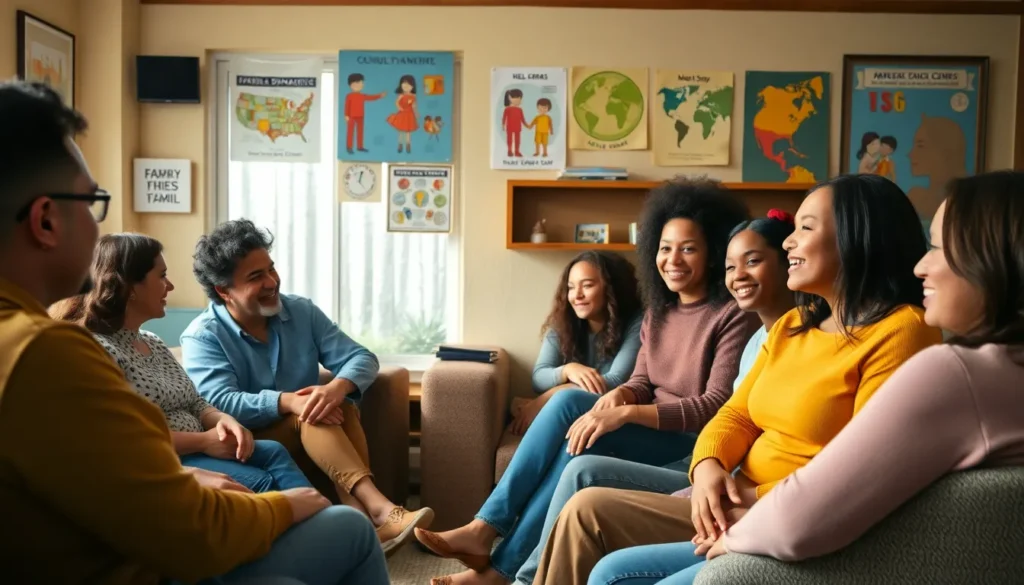
Numerous avenues exist for locating co-parenting counseling services. These resources help parents navigate the complexities of joint custody.
Local Resources for Co-Parenting Support
Community centers often provide co-parenting support groups. Many organizations, such as the YMCA or family service agencies, offer workshops aimed at enhancing parenting skills. Local therapists frequently specialize in family counseling, making them a valuable resource. Parenting classes can equip parents with essential strategies for effective communication. Schools may also maintain lists of local mental health professionals focused on family dynamics, providing additional layers of support.
Online Directories and Listings
Online directories simplify the search for co-parenting counselors. Websites like Psychology Today allow parents to filter therapists by location and specializations. Platforms specifically catering to family counseling can provide comprehensive listings, featuring reviews and contact information. Social media networks often host local parenting groups, where members share recommendations. These tools offer quick access to resources, ensuring parents find the best fit for their unique situations.
What to Expect in Co-Parenting Counseling
Co-parenting counseling involves practical steps designed to enhance communication and collaboration between parents. Parents can anticipate various elements during the counseling process.
Initial Consultation Process
During the initial consultation, parents discuss their concerns and goals with the counselor. An assessment of the current co-parenting dynamics takes place. Counselors often gather information on family backgrounds and individual perspectives. Parents might also receive guidance on what to expect in future sessions. This opening dialogue establishes a foundation for addressing conflicts effectively. An opportunity to express feelings and perspectives encourages honest communication from both parties.
Typical Counseling Sessions
Typical counseling sessions focus on communication strategies and conflict resolution techniques. Counselors facilitate discussions that promote understanding of each parent’s viewpoint. Structured activities often occur to build cooperation, fostering a positive co-parenting dynamic. Parents might work through specific scenarios that impact their children. Through role-playing and active listening exercises, increased empathy emerges. Regular attendance at sessions helps to reinforce skills learned and strengthen the co-parenting relationship. Parents can expect that progress will reflect in their interactions and overall family environment.
Tips for Successful Co-Parenting
Successful co-parenting hinges on communication and structured plans. Implementing thoughtful strategies can simplify the process and improve relationships between parents.
Effective Communication Strategies
Prioritizing open dialogue fosters trust and understanding. Parents should actively listen to each other’s perspectives during discussions. Using “I” statements helps express feelings without assigning blame. Scheduling regular check-ins about the children’s progress can ensure aligned goals. Engaging in respectful dialogue during disagreements strengthens relationships. Utilizing technology, like shared calendars or messaging apps, streamlines communication. Parents may find it beneficial to outline specific topics for discussions to maintain focus.
Navigating Parenting Plans
Developing a comprehensive parenting plan aids in minimizing conflicts. Parents need to establish clear guidelines for custody and visitation schedules. Flexibility in plans accommodates unforeseen events, enhancing cooperation. Including holidays and special occasions in the plan provides clarity. Reassessing the parenting plan periodically adjusts it to the children’s evolving needs. Setting goals for co-parenting helps maintain alignment on children’s best interests. Open discussions about adjustments ensure that both parents remain engaged.
Finding the right co-parenting counseling can transform a challenging situation into a more manageable one. By prioritizing effective communication and collaboration, parents can create a supportive environment for their children. The tools and strategies gained through counseling not only enhance the co-parenting relationship but also foster a sense of stability for kids. With various resources available, parents can easily locate qualified professionals who understand the complexities of co-parenting. Taking the step to seek help can lead to a more harmonious family dynamic, ultimately benefiting everyone involved.

